
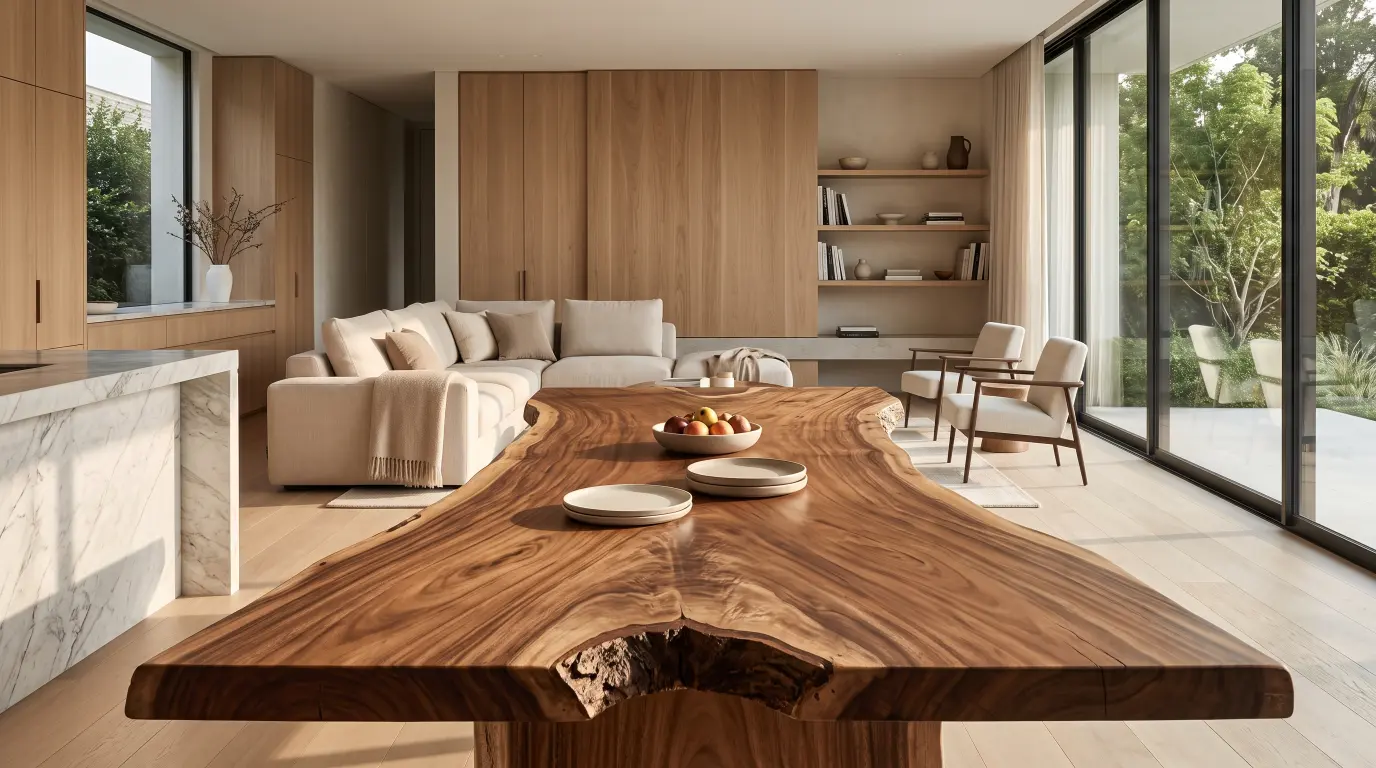

Live-edge slabs are a stunning option for making unique and natural tables. Each slab is one-of-a-kind, showing off the wood's natural beauty and imperfections. These slabs bring a touch of the outdoors into your home and can be used to create coffee tables, dining tables, and side tables. The natural edges and unique patterns make live-edge tables a conversation piece in any room.
Choosing the right live-edge slab for your table involves more than just picking a piece of wood. You need to consider factors like the type of wood, its size, shape, and finish. Different woods offer different looks and characteristics. Some woods are harder and more durable, while others have distinctive colors or grain patterns. The slab's natural edges can also vary, adding to the table's character.
In this article, we will explore the various aspects of selecting a live-edge slab. From understanding what makes these slabs special to popular types, we'll guide you through the process.
Understanding Live-Edge Slabs and Their Appeal
Live-edge slabs have a natural, rustic look that makes them a favorite for creating unique, eye-catching tables. A live-edge slab retains the original lines and contours of the tree it was cut from, which means each piece is unique. This natural edge gives the table a distinctive character and makes it a true statement piece.
The appeal of live-edge slabs lies in their organic shapes and natural beauty. They allow the grain, knots, and natural imperfections of the wood to shine through. This creates a warm and inviting atmosphere in any room. Unlike manufactured furniture, live-edge slabs have a one-of-a-kind appearance that can't be replicated, adding authenticity to your space.
Live-edge tables can fit various styles, from rustic and farmhouse to modern and minimalist. Their versatility means you can easily incorporate them into your existing decor. Whether you use a live-edge slab for a dining table, coffee table, or side table, it will become the focal point of the room. The charm and character of live-edge wood make it a timeless choice for any home.
Factors to Consider When Choosing a Live-Edge Slab
When selecting a live-edge slab for your table, several factors come into play. Here are some key considerations to ensure you make the right choice:
1. Type of Wood: Different woods have different looks and characteristics. Some popular options include walnut, maple, and oak. Walnut is known for its rich, dark color, while maple has a lighter, creamy tone. Oak offers durability and a prominent grain pattern.
2. Size and Shape: Measure the space where you plan to place the table and choose a slab that fits well. Consider the length, width, and thickness of the slab. The natural shape of the slab will also impact the final look, so choose one that complements your style.
3. Condition of the Slab: Inspect the slab for any cracks, knots, or imperfections. While some imperfections add to the slab's character, you want to ensure it is structurally sound. Look for slabs that have been properly dried and treated to avoid warping or splitting.
4. Finish: Decide on the type of finish you want for your table. A natural finish will highlight the wood's beauty, while a stained finish can change the color and add extra protection. Consider how much maintenance the finish requires and how it fits with your decor.
By considering these factors, you can choose a live-edge slab that meets your needs and enhances your home. Careful selection ensures your table will be a functional and beautiful addition to your space.
Popular Types of Wood for Live-Edge Tables
Choosing the right wood species is crucial for your live-edge table. Each type of wood has its own charm, durability, and color. Here are some popular options:
1. Walnut: Walnut is a top choice for live-edge tables due to its rich, dark color and beautiful grain. It's a strong and durable wood, making it perfect for high-use tables like dining or coffee tables. Walnut’s deep hues give a sophisticated look to any space.
2. Maple: Maple wood is known for its light, creamy color and smooth grain. It's a hard wood, which means it's resistant to scratches and dents. Maple can brighten up a room and works well in modern and minimalist designs.
3. Oak: Oak is another excellent option for live-edge tables. It’s known for its strength and prominent grain patterns. Oak ranges from light to medium brown and has a timeless appeal. It can fit into both rustic and contemporary settings.
4. Cherry: Cherry wood has a warm, reddish-brown color that deepens over time. It's smooth and easy to work with, making it a favorite for furniture makers. Cherry adds a touch of elegance to any table.
5. Elm: Elm wood offers a distinctive grain and light to medium brown color. It’s durable and resistant to splitting, making it a good choice for intricate designs. Elm can add a unique touch to your home decor.
These woods provide various looks and qualities, so you can pick the one that best suits your style and needs.
Final Thoughts
Choosing the right live-edge slab for your table is an exciting and rewarding process. Whether you prefer the rich tones of walnut or the light elegance of maple, there's a perfect slab waiting for you. Considering factors like wood type, size, shape, and finish will help you pick the best piece.
Ready to find the perfect live-edge slab for your next project? Visit Chabros to explore our exquisite collection of wood slabs and other high-quality materials. As the premier , we’ll help you bring your vision to life with our expert advice and premium products.