

Introduction:
Choosing the right wood for furniture is a crucial decision that affects both its appearance and durability. With so many options available, understanding which woods stand the test of time is essential for anyone looking to invest in quality pieces. Whether you're crafting a new dining table or buying a signature piece for your living room, selecting durable wood ensures that your furniture will last for generations.
Qualities of Durable Woods for Furniture
When selecting wood for furniture, durability is key to ensuring longevity and resistance to daily wear and tear. The qualities that make wood durable include hardness, density, stability, and grain pattern.
Hardness is crucial because it determines the wood's resistance to scratches and dents. The Janka Hardness Scale is often used to measure this, with higher numbers indicating tougher wood. Dense woods are typically harder and offer more protection against impacts and abrasions.
Stability refers to how well wood maintains its shape in varying climates. Woods less prone to expanding or contracting with humidity are preferred for furniture, as they are less likely to warp or crack over time.
Grain patterns add unique aesthetic appeal but also affect durability. Woods with interlocking grains tend to be stronger and more resistant to splitting. Beyond physical characteristics, consider a wood’s natural oils. Woods like teak and cedar contain oils that provide resistance to pests and decay, enhancing their durability, especially outdoors.
When choosing wood, balance these qualities based on your furniture’s intended use and environment. Durable woods mean less upkeep, maintaining beauty and function over time.
Top Natural Woods for Furniture Making
Certain natural woods stand out for making long-lasting furniture due to their strength and beauty. Here’s a shortlist of top performers:
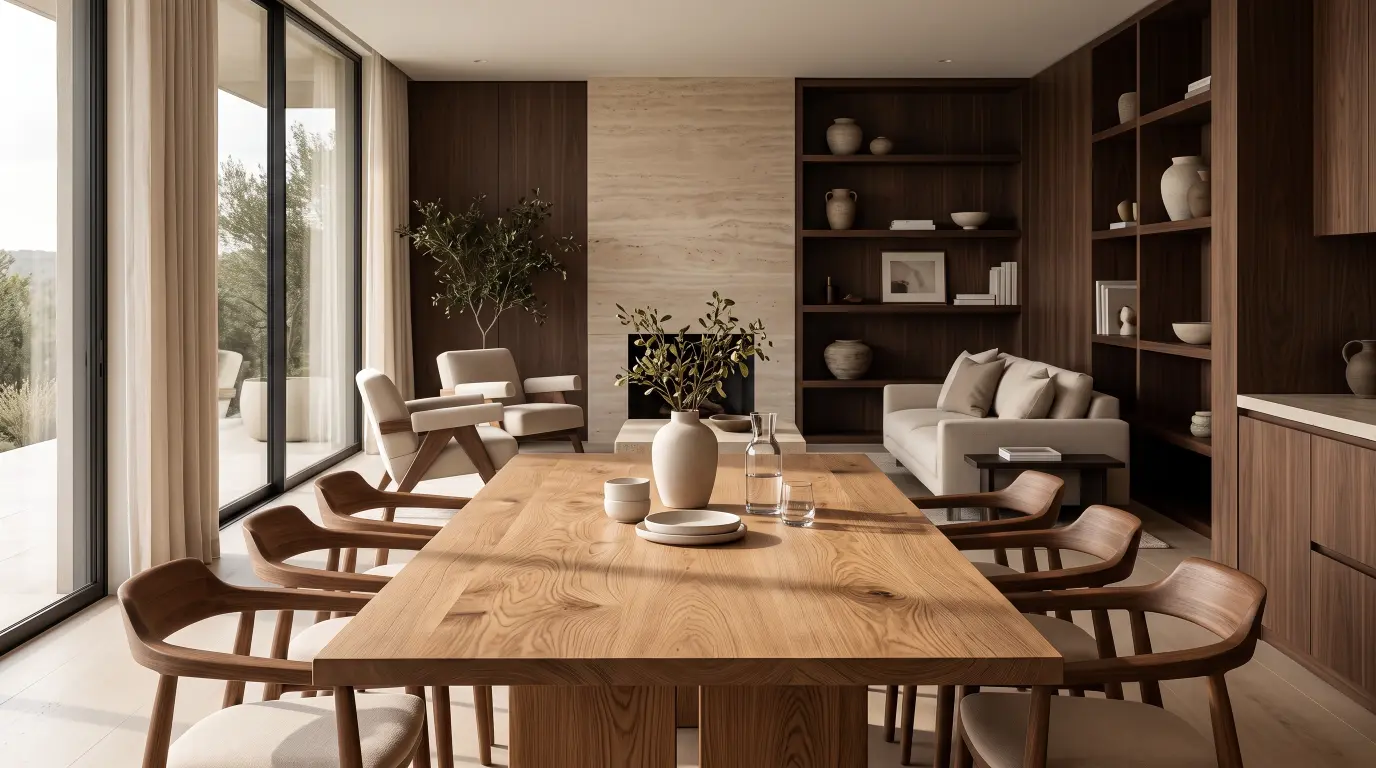
Oak: Known for its timeless appeal and robust nature, oak is a favorite for many furniture pieces. It has a strong grain pattern and excellent stability, making it resistant to moisture and physical wear.
Maple: With its smooth grain and light color, maple is both strong and versatile. It's ideal for kitchen cabinetry and flooring, thanks to its durability and sleek look.
Cherry: Cherry wood provides an elegant reddish-brown hue that grows richer over time. It’s moderately hard and works well for fine furniture.
Walnut: Walnut is prized for its dark, rich color and intricate grain patterns. Its strength and beauty make it suitable for high-end pieces like dining tables and desks.
Teak: Perfect for outdoor furniture, teak’s natural oils repel water and resist rot. This makes it a top choice for patio furniture and boat decks.
Selecting the right wood based on durability allows you to create furniture pieces that last for decades, providing both aesthetic pleasure and lasting functionality.
Advantages of Dyed and Reconstituted Veneers
Veneers offer an excellent way to bring style and durability to your furniture projects, especially when exploring dyed and reconstituted options. They provide several advantages that make them a popular choice for modern designs.
Dyed veneers like Legno Quattro allow for vibrant colors and consistent patterns. These veneers are perfect for adding bold accents to furniture while maintaining the natural beauty of wood. By dying the veneer, you achieve a uniform color that can mimic rare wood types—an affordable yet stunning alternative.
Reconstituted veneers, such as Alpi, provide another layer of creativity. These veneers undergo a process that reorganizes the fibers to create new textures and looks. The result is a material that can replicate exotic wood patterns or create completely unique designs. This makes them a flexible option for both traditional and contemporary pieces.
Using dyed or reconstituted veneers also helps conserve natural woods. Since they require less raw material, they contribute to sustainable furniture making. They also resist warping and cracking, adding to the longevity of the finished product.
Veneers remain an excellent choice for those who want beauty, durability, and creative freedom in their furniture designs.
Tips for Maintaining Wood Furniture Longevity
Keeping your wood furniture looking pristine requires care and attention. These tips will help maintain the beauty and longevity of your pieces:
Clean Regularly: Dust your furniture often with a soft, dry cloth. For deeper cleaning, use a mild soap and water solution, then dry immediately with a soft towel.
Avoid Direct Sunlight: Place your furniture out of direct sunlight to prevent fading. UV rays can also dry out the wood, leading to cracks or warping.
Use Protective Covers: Apply felt pads to the bottom of items placed on your furniture to avoid scratches. Consider using tablecloths or coasters for extra protection.
Control Humidity Levels: Wood expands and contracts with humidity. Use a humidifier or dehumidifier to keep levels consistent, especially during extreme seasons.
Polish Carefully: Use high-quality furniture polish to add sheen and protect the wood. Avoid spray polish, as it can build up over time and attract dust.
Conclusion
Choosing the right is essential for creating furniture that stands the test of time. This journey to finding the best materials ensures that your pieces are not just beautiful, but also durable and sustainable. At Chabros, we offer an extensive range of natural woods, veneers, and innovative solutions that cater to diverse styles and needs. Dive into our collection and discover materials that will elevate your design projects. Let us be your partner in crafting stunning, long-lasting furniture that reflects both artistry and quality. Explore our offerings today for your next masterpiece.