

Introduction
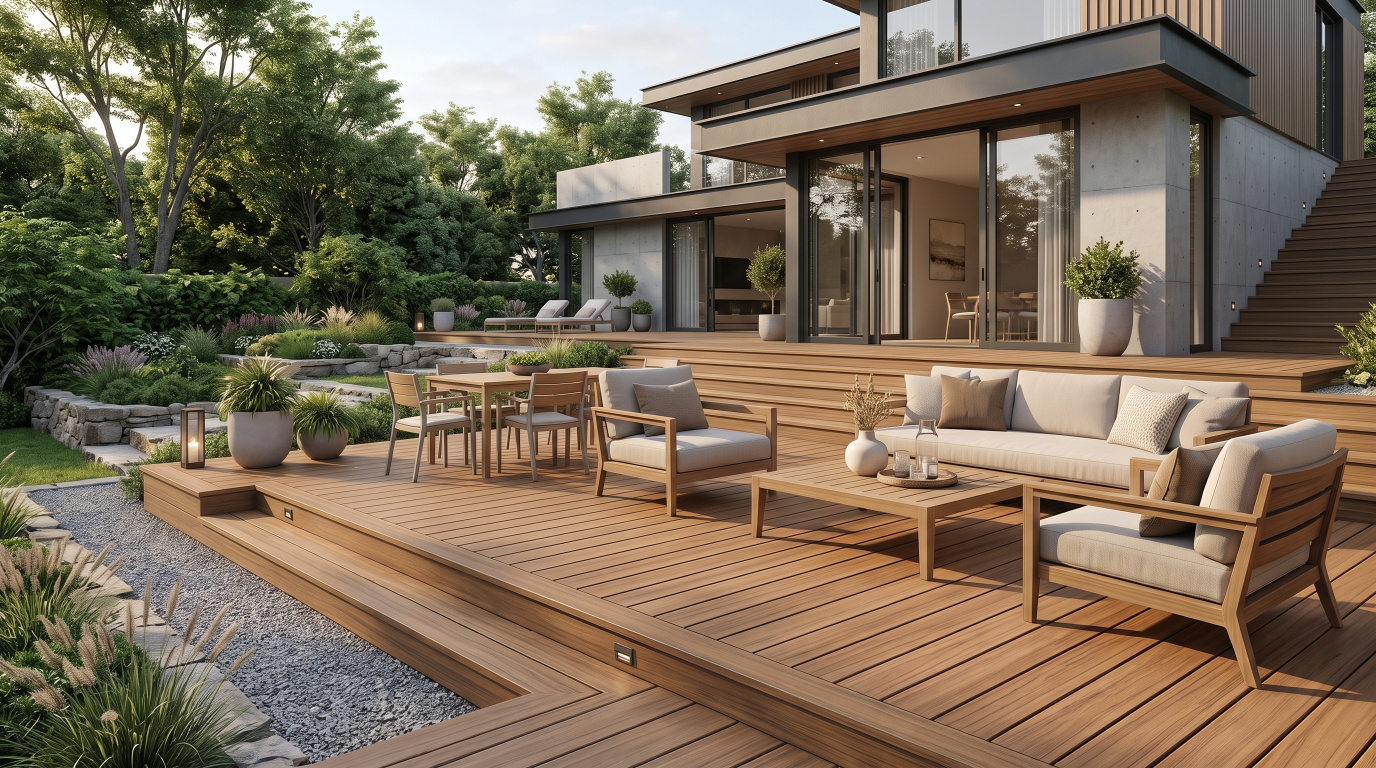
Outdoor wood flooring enhances the charm of your home and provides a sturdy platform for outdoor activities. Maintaining its beauty and structural integrity can be challenging. Weather conditions, moisture levels, and everyday use can lead to common issues such as warping and cupping. Addressing these problems early on can save you time and money, ensuring you enjoy your deck for years to come.
Proper maintenance plays a crucial role in the longevity of your outdoor wood flooring. By understanding the causes of problems like warping and cupping, and taking preventative measures, you can keep your deck looking and functioning at its best. Explore some practical ways to tackle these issues and extend the life of your outdoor flooring.
Understanding Warping and Cupping
Warping and cupping describe changes in the shape and appearance of wood flooring. Warping happens when wood twists or bends, losing its flat shape. Cupping refers to the edges of the wood planks rising higher than the center, creating a concave appearance.
These issues mostly result from environmental factors. Moisture is a primary culprit, as wood naturally absorbs and releases water from the air. When one side of a plank dries faster than the other, it leads to uneven shrinkage and swelling. This often occurs with rapid weather changes, such as after a rainstorm followed by intense sunlight.
Improper installation can exacerbate these problems. For example, if wood planks are placed too tightly without room for expansion, they may warp as they expand and contract with changes in humidity and temperature. Similarly, a lack of proper sealing leaves wood vulnerable to moisture, accelerating warping and cupping.
To minimize these issues, it’s vital to understand wood’s behavior and the conditions it thrives in. A proactive approach to maintaining stable moisture levels and ensuring correct installation techniques can significantly reduce the chances of warping or cupping in your outdoor wood flooring.
Choosing the Right Wood
The choice of wood is integral to preventing warping and cupping. When selecting materials for outdoor wood flooring, opting for high-quality, stable wood species makes a substantial difference. Hardwoods like teak, ipe, and mahogany are known for their resistance to moisture and temperature changes, making them ideal for decks exposed to the elements.
Treated woods are another viable option. These woods undergo chemical processes that boost their resilience against moisture and pests. This can be especially beneficial if you’re seeking a more economical choice that still offers durability. Keep in mind, treated wood may still require regular maintenance to ensure long-lasting performance.
In addition to hardwoods and treated woods, engineered wood solutions can be advantageous. These products often include a protective layer designed to withstand outdoor conditions, combining the aesthetic appeal of natural wood with enhanced durability. By investing in superior materials, you lay a solid foundation for outdoor flooring that resists warping and cupping.
Proper Installation Techniques
Correct installation is a key factor in preventing timber from warping and cupping. Even the best-quality wood can face issues if not installed properly. To keep your deck flat and even, following best practices during installation is crucial.
Allow for Expansion: Wood naturally expands and contracts with temperature changes. Ensure proper spacing between planks to accommodate this movement without causing tension or pressure.
Secure Support Structures: Use solid, stable support structures beneath your decking. This foundation helps distribute weight evenly and reduces stress on individual planks.
Professional Installation: Employing experienced professionals makes a significant difference. Their precision and expertise ensure each piece is laid correctly, minimizing future issues.
Incorporating these techniques safeguards your deck’s structural integrity.
Maintenance Tips to Prevent Problems
Once your deck is installed with quality materials and proper techniques, ongoing maintenance helps protect it from warping and cupping. Regular care keeps your wood flooring looking beautiful and functioning well.
Regular Cleaning and Sealing: Clean your deck consistently to remove debris and prevent water buildup. Applying a sealant every few years adds a protective layer guarding against moisture and UV damage.
Seasonal Inspections: Check your deck at each season’s change. Look for signs of wear or moisture damage and address issues immediately to prevent further harm.
Limit Moisture Exposure: Redirect sprinklers and ensure proper drainage around your deck. Avoid placing planters directly on the wood to prevent water pooling.
A bit of regular effort prevents major headaches later. Attentive maintenance greatly contributes to your deck’s longevity and appearance.
Final Thoughts on Maintaining Outdoor Wood Flooring
Embracing these strategies will help you maintain the allure and robustness of your outdoor wood flooring. From choosing the right wood and employing effective installation techniques to practicing consistent maintenance, each step plays a vital role in preserving your deck’s integrity.
By investing time and resources upfront, you protect your investment and ensure a beautiful, functional outdoor space ready for gatherings and relaxation. A well-maintained deck enhances your home’s enjoyment, providing a welcoming environment for friends, family, and moments of solitude alike. Make your efforts count, and enjoy the lasting rewards of a well-cared-for outdoor living area.
For those looking to enhance their outdoor space, investing in the right materials and maintenance is key. Discover how our solutions for can provide the durability and aesthetic appeal you need. Explore the offerings at Chabros and see how you can transform your outdoor area into a welcoming retreat. Through informed choices and expert guidance, you can create a long-lasting, beautiful outdoor living space.